sleepless where ever

There is little dispute that sleep is too often hard to come by. Crazy busy schedules, out of control stresses, and troublesome future worries all keep a restful night’s sleep at bay. As a result chronic insomnia is not as isolated an experience as one might hope despite our finest pillow-top.       IMG_7643

 Insomnia Statistics

  • People today sleep 20% less than they did 100 years ago.
  • More than 30% of the population suffers from insomnia.
  • One in three people suffer from some form of insomnia during their lifetime.
  • More than half of Americans lose sleep due to stress and/or anxiety.
  • Between 40% and 60% of people over the age of 60 suffer from insomnia.
  • Women are up to twice as likely to suffer from insomnia than men.
  • Approximately 35% of insomniacs have a family history of insomnia.
  • 90% of people who suffer from depression also experience insomnia.
  • Approximately 10 million people in the U.S. use prescription sleep aids.

Continue reading

What’s for Supper?

Vermont is one of 27 landlocked states in the US but surprisingly wild saltwater fish is on the menu in most restaurants. It’s often on our home menu too. This is because in the Northeast, fresh fish is driven overnight from Boston harbor and arrives in our neighborhood seafood market the very next day. Next to the trout caught in any of our plentiful local waterways, this is as fresh as seafood gets, and it’s always lovely. Come mid-winter I often crave a meal that tastes like summer, light yet hearty, something with tomato, something with a bite, something like a fish stew. The following is a recipe concocted by my dearest chef, the Savvy Skillet and it’s guaranteed to satisfy everyone around your table.

table

Continue reading

Hope

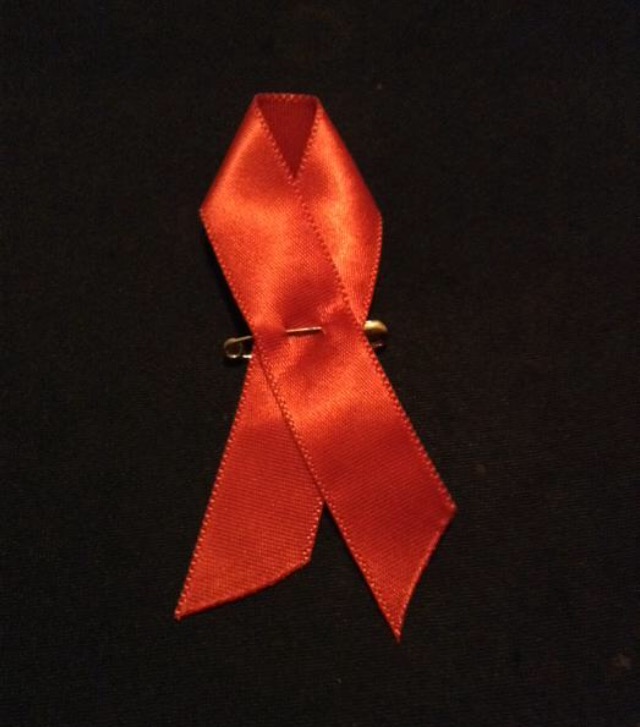
ribbonDecember 1st is World AIDS Day, and as I reflected back through the last decades, I thought, how far we have come. “AIDS has killed nearly 39 million people since it was first discovered, but new statistics show we are finally at the “tipping point” of the disease, with more people getting access to life-saving treatment than those who are newly contracting the disease. This progress has been called “the beginning of the end of AIDS” and it is critical that we continue the momentum so we can finally end the AIDS pandemic” (CNBC).

Continue reading