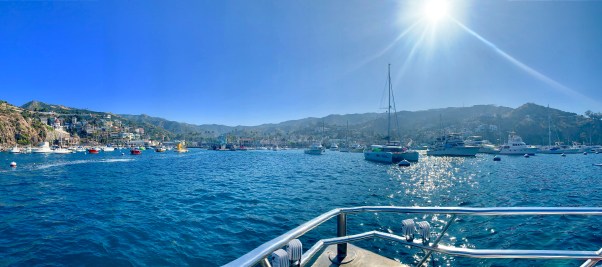
Float time

There is no doubt about the healing power that water holds. Up and down every coast you find people packed together to dip their toes into the surf, maybe even brave a plunge. From sunrise to sunset we sit on sandy blankets along shorelines listening to the pulsing tides, and something that might have been slightly crazy inside us settles down a bit. We may be 60% water but it is far more than that physical fact that drives us to land’s end.

Continue reading

Readers Needed

The whole world is Twitter mad once again, and even though I hold the platform at arm’s length, it is hard not to be obsessively scrolling over the tweets bouncing back and forth like discordant sound. Even if you try not to get embroiled, headlines and soundbites echo the 280 characters driving a wedge between us all. Thanks to these Twitter tantrums, hate talk replaces straight talk with the ease of a click. Perhaps that was not always the intent of social media.

“At times during 2011, the term Arab Spring became interchangeable with “Twitter uprising” or “Facebook revolution”, as global media tried to make sense of what was going on.

But despite western media’s love affair with the idea, the uprisings didn’t happen because of social media. Instead, the platforms provided opportunities for organization and protest that traditional methods couldn’t.

In the words of one protester, Fawaz Rashed: “We use Facebook to schedule the protests, Twitter to coordinate, and YouTube to tell the world.”” (Maeves Shearlaw).

But over the past two years we have witnessed the lack of ‘coordinating’ in these minute messages, in fact, dialogue across spectrums has sunk to the worst form of discourse thanks to a lack of social norms in social media posts. Or just some new allowance that we can’t back away from perhaps.

close up of Queen Anne's Lace

Continue reading

Retracing your Steps

They say there is no going back, not in time or otherwise, yet we all feel that pull to see it as we once did, whatever that it might be. Perhaps the core of this is best expressed in Thornton Wilder’s Our Town, in Act III, during that iconic graveyard scene when the dead speak.

EMILY: But, Mother Gibbs, one can go back; one can go back there again . . . into living. I feel it. I know it. Why just then for a moment I was thinking about . . . about the farm . . . and for a minute I was there, and my baby was on my lap as plain as day. 

MRS. GIBBS: Yes, of course you can.

EMILY: I can go back there and live all those days over again . . . why not?

MRS. GIBBS: All I can say is, Emily, don’t.

Warnings aside, we did just venture back to an ancestral place, one that will always have a place in my heart, and although I did discover how powerful the draw to return to one’s past can be, the present is always available, and exactly that, a gift.

Mohonk Mountain House

Continue reading